Air Pollution
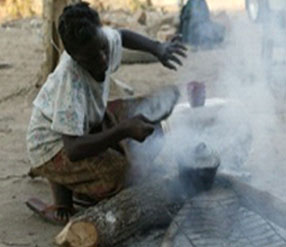
Air pollution from indoor cook fires is becoming a leading cause of death worldwide. In Uganda an estimated 13,000 people die every year from health issues related to inhaling smoke emitted from fuel they use for cooking.
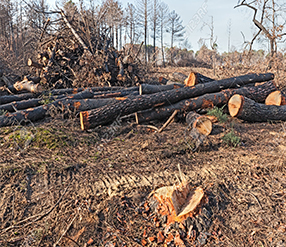
Uganda's dependence on wood fuel is a health, environmental and social crisis.
Why We Exist
Uganda's dependence on wood fuel is a health, environmental and social crisis. AEST exists to change that.

Air pollution from indoor cook fires is becoming a leading cause of death worldwide. In Uganda an estimated 13,000 people die every year from health issues related to inhaling smoke emitted from fuel they use for cooking.

Most parts of Uganda are currently faced by rapid deforestation. An estimated 120,000 hectares of trees are cut down every year in Uganda to cover wood charcoal and also for firewood. This has left region bear and very vulnerable to climate change.

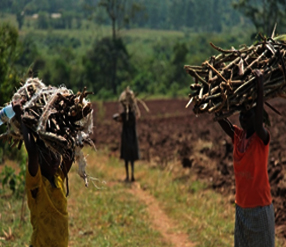
In Uganda, firewood and wood charcoal are currently the country's most consumed sources of energy with 95% of the population dependent on this. The use of firewood and wood charcoal for cooking has the greatest negative effect on women and girls. Women and girls walk long distances every day in search for firewood, keeping girls out of school and preventing women from performing more productive chores.
Our Response
Three practical interventions, built around what households and institutions actually need.
Organic charcoal briquettes made from groundnut shells, charcoal dust and waste cassava give households a cheaper fuel that burns longer with less smoke.
Energy-saving Makaa stoves and institutional cook stoves burn fuel more efficiently, cutting both cost and smoke inside the kitchen.
Women micro-entrepreneurs distribute the products, contracted farmers supply the bio-waste, and the local economy keeps the value.
Trusted & supported by
Talk to us about briquettes, cook stoves, institutional supply or distribution partnerships.